
Discovery Car Price Trends in the Netherlands: What’s Driving Costs? sets the stage for this enthralling narrative, offering readers a glimpse into a story that is rich in detail and brimming with originality from the outset.
Exploring the factors influencing car prices, popular car brands and models, technology trends, and market fluctuations in the Netherlands sheds light on the intricate dynamics driving costs in the automotive industry.
Factors Influencing Car Prices in the Netherlands
In the Netherlands, several factors play a crucial role in influencing the prices of cars. These factors determine the overall cost of purchasing a vehicle in the country.
Demand and Supply Dynamics
The basic economic principle of supply and demand greatly impacts car prices in the Netherlands. When there is high demand for specific car models but limited supply, prices tend to increase. Conversely, if there is an oversupply of certain models and low demand, prices may decrease.
Government Regulations and Taxes
Government regulations and taxes also play a significant role in determining car prices in the Netherlands. Import duties, value-added tax (VAT), and environmental levies can all contribute to the overall cost of purchasing a car. Additionally, regulations on emissions and safety standards can impact the types of vehicles available in the market, further influencing prices.
Economic Conditions
Economic conditions such as inflation and interest rates can affect car costs in the Netherlands. In times of high inflation, the overall price of vehicles may increase to account for rising costs of production and materials. Similarly, fluctuations in interest rates can impact the affordability of car loans, influencing consumer purchasing decisions and ultimately affecting car prices in the market.
Popular Car Brands and Models in the Netherlands
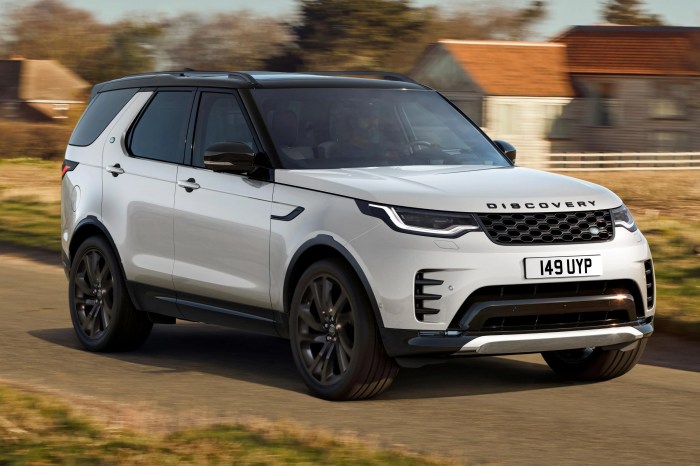
When it comes to popular car brands and models in the Netherlands, there are a few key players that dominate the market. Let's take a closer look at the top-selling car brands and models in the country, compare their average prices, and discuss how the rise of electric vehicles is impacting the overall pricing trends.
Top-Selling Car Brands
- 1. Volkswagen: Known for its reliability and wide range of models, Volkswagen consistently ranks as one of the top-selling car brands in the Netherlands.
- 2. Toyota: With a reputation for fuel efficiency and durability, Toyota's models are also highly sought after in the Dutch market.
- 3. Renault: Offering a mix of affordability and style, Renault cars have a strong presence in the Netherlands.
Comparison of Average Prices
When comparing the average prices of different car brands in the Netherlands, it is evident that luxury brands such as Audi and BMW tend to have higher price tags compared to more budget-friendly options like Ford and Kia. This variance in pricing reflects the diverse preferences of Dutch car buyers.
Impact of Electric Vehicles
The increasing popularity of electric vehicles (EVs) is significantly influencing car prices in the Netherlands. As the government introduces incentives to promote eco-friendly transportation, more consumers are turning to EVs. This shift in demand has led to a rise in prices for electric models, with brands like Tesla gaining traction in the market
Technology Trends Impacting Car Prices
In the ever-evolving automotive industry, technological advancements play a crucial role in shaping car prices. From autonomous driving features to sustainability innovations, these technologies significantly impact the cost of vehicles.
Autonomous Driving Features
Autonomous driving features, such as adaptive cruise control, lane-keeping assist, and automatic emergency braking, are becoming increasingly common in modern vehicles. The integration of these advanced technologies not only enhances the driving experience but also contributes to higher price tags on cars.
Manufacturers invest heavily in research and development to perfect these systems, driving up production costs that are reflected in the final price for consumers.
High-Tech Features
In addition to autonomous driving capabilities, high-tech features like infotainment systems, smartphone integration, and advanced safety systems can also impact car prices. Vehicles equipped with cutting-edge technology and innovative features often come with a premium price compared to their more basic counterparts.
The demand for these high-tech amenities influences pricing strategies, as manufacturers cater to tech-savvy consumers willing to pay extra for the latest innovations.
Sustainability Trends
The shift towards sustainability and environmental consciousness has led to the rise of electric and hybrid vehicles. With a focus on reducing carbon emissions and promoting eco-friendly transportation options, the automotive industry has seen a surge in the production of electric cars.
As a result, the pricing of environmentally friendly vehicles may vary due to factors like battery technology, range capabilities, and government incentives. Consumers interested in sustainable driving solutions may find themselves weighing the costs and benefits of investing in greener alternatives.
Market Trends and Price Fluctuations
Seasonal trends, trade shows, new model releases, and the pre-owned car market all play significant roles in influencing car prices in the Netherlands.
Seasonal Trends
Seasonal trends have a noticeable impact on car prices in the Netherlands. For instance, during the summer months, convertible cars tend to be in higher demand, leading to an increase in prices. On the other hand, SUVs might be more sought after in the winter due to weather conditions, affecting their pricing.
Trade Shows and New Model Releases
Events like trade shows or the release of new car models can also influence price fluctuations. Manufacturers often introduce discounts or special offers during these events to attract customers, which can lead to temporary price changes in the market. Conversely, the anticipation of a new model release might cause a decrease in prices for existing models as dealers try to clear out inventory.
Pre-Owned Car Market Impact
The pre-owned car market in the Netherlands has a direct impact on the pricing of new cars. A strong demand for quality used cars can drive up prices for new vehicles as consumers opt for more affordable alternatives. Additionally, the availability of pre-owned cars in good condition can affect the resale value of new cars, influencing their pricing in the market.
Closure
In conclusion, the intricate interplay of demand, government regulations, technology advancements, and market forces unveils the driving forces behind car prices in the Netherlands. Understanding these trends can empower consumers and industry players alike.
Questions and Answers
What role do government regulations play in determining car prices?
Government regulations can impact car prices through taxes, import duties, and emission standards, influencing the overall cost of vehicles in the market.
How do seasonal trends affect car prices in the Netherlands?
Seasonal trends can lead to fluctuations in car prices, with demand for certain types of vehicles varying based on factors like weather conditions and holidays.
What are some examples of high-tech features that contribute to price variations among cars?
Features like autonomous driving capabilities, advanced infotainment systems, and connectivity options can significantly affect the pricing of cars.