Embarking on the journey of understanding Employee Health Insurance Benefits for Small Companies, we delve into the essential aspects that make it a pivotal component for small businesses. From attracting top talent to enhancing morale, the significance of health insurance cannot be overstated.
As we explore the types of insurance plans, cost management strategies, and legal requirements, a clear picture emerges of the intricate landscape that small companies navigate to provide adequate health benefits for their employees.
Importance of Employee Health Insurance Benefits for Small Companies
Employee health insurance benefits are crucial for small businesses as they play a significant role in attracting and retaining top talent, as well as enhancing employee morale and productivity.
Attracting and Retaining Top Talent
Offering health insurance can set small companies apart from their competitors and make them more attractive to potential employees. In today's competitive job market, candidates often prioritize companies that provide comprehensive health benefits. By offering health insurance, small businesses can attract top talent and retain valuable employees in the long run.
Enhancing Employee Morale and Productivity
Providing health insurance to employees can also boost morale and productivity within the organization. When employees have access to healthcare benefits, they are more likely to feel valued and taken care of by their employer. This sense of security can lead to increased job satisfaction, motivation, and overall productivity in the workplace.
Types of Health Insurance Plans Suitable for Small Companies
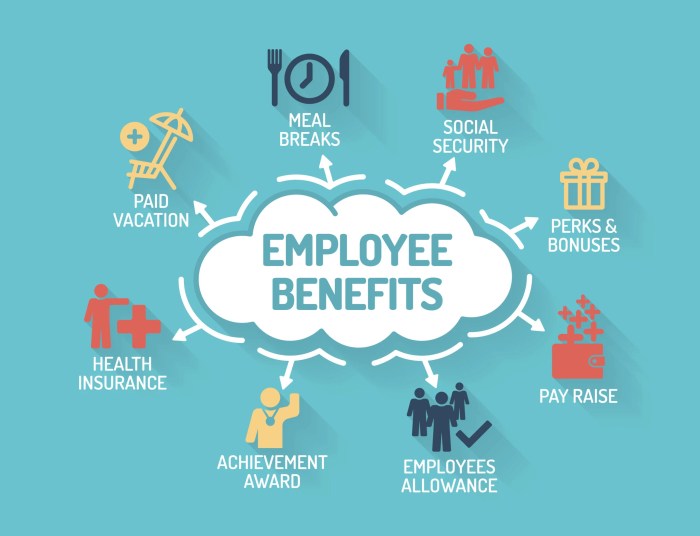
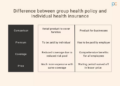
When it comes to choosing health insurance plans for small companies, there are several options available. Each type of plan has its own set of advantages and disadvantages, so it's important to understand the differences to make an informed decision.
HMOs, PPOs, and High-Deductible Plans
- HMOs (Health Maintenance Organizations): HMOs typically have lower premiums and require employees to choose a primary care physician. Referrals are needed to see specialists, but out-of-pocket costs are lower.
- PPOs (Preferred Provider Organizations): PPOs offer more flexibility in choosing healthcare providers without referrals. Premiums are usually higher, but employees have the option to see out-of-network providers at a higher cost.
- High-Deductible Plans: These plans have lower premiums but higher deductibles. They are often paired with Health Savings Accounts (HSAs) or Health Reimbursement Arrangements (HRAs) to help employees cover out-of-pocket costs.
Self-Funded vs Fully Insured Health Plans
- Self-Funded Plans: Small companies can choose to self-fund their health insurance plans, meaning they pay for employees' healthcare costs directly. This option provides more control over plan design and potentially lower costs, but also carries the risk of high claims.
- Fully Insured Plans: With fully insured plans, the company pays premiums to an insurance carrier, which then assumes the financial risk. While this option provides predictability in costs, companies have less flexibility in plan design.
Choosing the Right Health Insurance Plan
- Consider the size of your company: Smaller companies may benefit from fully insured plans due to the predictability of costs, while larger companies might have more resources to manage self-funded plans.
- Assess budget constraints: Evaluate the budget available for health insurance benefits and choose a plan that strikes a balance between cost and coverage.
- Employee needs and preferences: Take into account the healthcare needs and preferences of your employees when selecting a plan to ensure it meets their expectations.
Cost Management Strategies for Employee Health Insurance
When it comes to providing health insurance benefits for employees in small companies, cost management is crucial. Employers need to find cost-effective ways to offer quality health benefits without breaking the bank. This involves exploring different strategies and tools to keep healthcare expenses in check while still providing valuable coverage for employees
Role of Health Savings Accounts (HSAs) and Flexible Spending Accounts (FSAs)
Health Savings Accounts (HSAs) and Flexible Spending Accounts (FSAs) play a significant role in reducing healthcare costs for both employers and employees. HSAs allow employees to contribute pre-tax dollars to a savings account that can be used for eligible medical expenses.
On the other hand, FSAs also allow employees to set aside pre-tax funds for medical expenses but with some differences in terms of rollover and contribution limits.
- Employers can educate their employees about the benefits of HSAs and FSAs to encourage participation and help them save on healthcare costs.
- By offering these accounts, employers can help employees manage their out-of-pocket expenses more effectively, reducing the financial burden on both parties.
Negotiating with Insurance Providers for Affordable Rates
Negotiating with insurance providers is another important cost management strategy for small businesses. Employers can explore different options and work with insurance brokers to secure affordable rates for employee health coverage.
- Employers should compare quotes from multiple insurance providers to find the best rates and coverage options that meet their budget and employee needs.
- They can also consider alternative insurance models like self-funded plans or association health plans to potentially lower costs while still providing comprehensive coverage.
Legal Requirements and Compliance for Providing Health Insurance
Small companies have legal obligations when it comes to offering health insurance benefits to employees. These requirements are in place to ensure that employees have access to necessary healthcare coverage.
Affordable Care Act (ACA) Requirements
The Affordable Care Act (ACA) has specific requirements that impact small business health insurance offerings. Under the ACA, small companies with 50 or more full-time employees are required to provide health insurance to their employees or face penalties.
- Employer Shared Responsibility Provision: This provision requires applicable large employers to offer affordable health insurance that meets minimum essential coverage requirements to full-time employees and their dependents.
- Reporting Requirements: Small companies must also comply with ACA reporting requirements, which involve providing detailed information about the health insurance coverage offered to employees.
- Essential Health Benefits: Health insurance plans offered by small companies must cover essential health benefits as Artikeld by the ACA, such as preventive services, prescription drugs, and maternity care.
Consequences of Non-Compliance
Failure to comply with health insurance regulations can have serious consequences for small businesses. Non-compliance with the ACA requirements can result in financial penalties and legal repercussions for the company.
It is essential for small companies to understand and adhere to the legal requirements and compliance standards for providing health insurance to employees to avoid potential penalties and ensure the well-being of their workforce.
Conclusion
Concluding our discussion on Employee Health Insurance Benefits for Small Companies, it's evident that the realm of health benefits is multifaceted and dynamic. By prioritizing employee well-being, businesses can foster a positive work environment and ensure long-term success.
FAQ Explained
What are the key benefits of offering health insurance for small companies?
Offering health insurance can help small businesses attract top talent, retain employees, and enhance overall productivity and morale within the company.
How can small companies manage the costs of providing employee health insurance?
Small companies can explore cost-effective options, utilize health savings accounts (HSAs) and flexible spending accounts (FSAs), and negotiate with insurance providers to secure affordable rates.
What legal obligations do small companies have regarding health insurance benefits?
Small companies are required to comply with legal regulations, including those Artikeld in the Affordable Care Act (ACA), when providing health insurance benefits to employees. Non-compliance can lead to consequences for the business.