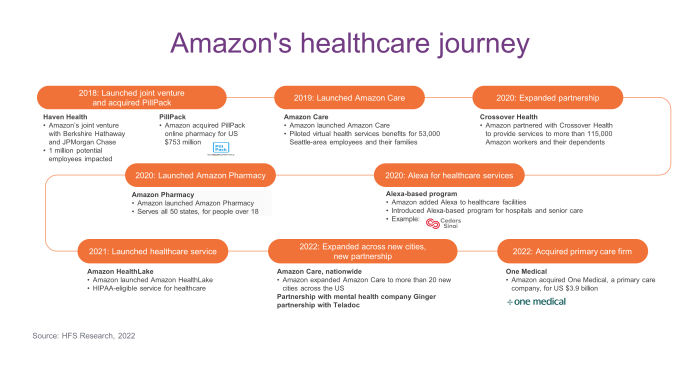
Kicking off with Amazon Buys One Medical: Can We Trust Big Tech with Health Data?, this opening paragraph is designed to captivate and engage the readers, setting the tone casual formal language style that unfolds with each word.
The recent acquisition of One Medical by Amazon has stirred discussions about big tech's role in healthcare, raising questions about the trustworthiness of entrusting health data to these giant corporations. As technology continues to advance, the implications of big tech companies like Amazon moving into the healthcare sector are becoming more pronounced.
The concerns surrounding privacy, security, and consumer trust in handling health data have become paramount in this evolving landscape.
Introduction
Amazon's recent acquisition of One Medical has sparked discussions about the increasing presence of big tech companies in the healthcare sector. This move raises concerns about the implications of entrusting tech giants with sensitive health data and the potential risks associated with it.
Implications of Big Tech in Healthcare
- Big tech companies like Amazon have the resources and infrastructure to revolutionize healthcare services and make them more accessible.
- However, their entry into the healthcare industry also raises questions about data privacy, security, and the ethical use of personal health information.
- The integration of technology in healthcare can streamline processes, improve patient care, and enhance efficiency, but it also comes with challenges related to data protection and patient trust.
Concerns about Trustworthiness of Big Tech Handling Health Data
- Many individuals are apprehensive about sharing their health information with big tech companies due to concerns about data breaches, misuse of data, and lack of transparency in how their information is being utilized.
- The potential for data exploitation, unauthorized access, and the monetization of personal health data by tech giants raise significant ethical and privacy concerns among consumers and healthcare professionals.
- Ensuring the security and confidentiality of health data is crucial to maintaining trust between patients, healthcare providers, and technology companies entering the healthcare space.
Benefits of Big Tech in Healthcare
Big tech companies like Amazon entering the healthcare industry bring a host of potential advantages. Innovations in technology have the power to transform healthcare services, making them more efficient, accessible, and personalized. Let's explore how collaborations between big tech and healthcare can lead to significant improvements in the industry.
Improved Patient Care
Big tech companies have the resources and expertise to develop cutting-edge technologies that enhance patient care. For example, wearable devices and health-tracking apps can help individuals monitor their health in real-time, leading to early detection of health issues and proactive interventions.
This can ultimately result in better health outcomes and reduced healthcare costs.
Enhanced Data Analytics
By leveraging big data and advanced analytics, big tech companies can help healthcare providers make data-driven decisions. Through the analysis of large volumes of health data, patterns and trends can be identified, leading to more accurate diagnoses and personalized treatment plans.
This can improve patient outcomes and streamline healthcare delivery.
Telemedicine and Remote Monitoring
Big tech companies have played a significant role in expanding telemedicine services and remote monitoring capabilities. Through virtual consultations and remote monitoring devices, patients can access healthcare services from the comfort of their homes. This not only increases convenience for patients but also reduces unnecessary hospital visits and overcrowding in healthcare facilities.
Efficient Healthcare Operations
The integration of technology in healthcare operations can streamline administrative processes, optimize resource allocation, and improve communication among healthcare providers. Big tech companies can develop innovative solutions such as electronic health records systems, appointment scheduling platforms, and communication tools that enhance efficiency and collaboration within healthcare organizations.
Partnerships and Collaborations
Successful collaborations between big tech companies and healthcare organizations have already demonstrated the potential for positive impact. For instance, partnerships between tech giants like Google and healthcare providers have led to the development of AI-powered diagnostic tools, precision medicine initiatives, and population health management solutions.
These partnerships drive innovation and pave the way for transformative changes in the healthcare industry.
Risks of Big Tech in Healthcare
As big tech companies delve further into the realm of healthcare, there are significant risks associated with the access they have to sensitive health data. These risks encompass privacy concerns, security vulnerabilities, and regulatory challenges that need to be carefully considered.
Privacy and Security Concerns
Sharing health information with tech giants raises red flags regarding privacy and security. With vast amounts of data at their disposal, there is a heightened risk of breaches, unauthorized access, and potential misuse of personal health records. The confidentiality of sensitive medical information becomes a critical issue that must be safeguarded against cyber threats and data breaches.
Regulatory Challenges
The involvement of big tech in healthcare also poses regulatory challenges in terms of oversight and compliance. Existing regulations may not be equipped to address the complexities of tech companies handling health data, leading to gaps in accountability and transparency
Ensuring that these entities adhere to strict data protection laws and ethical standards becomes a pressing concern for regulatory bodies.
Data Privacy and Security
Data privacy and security are paramount in healthcare, especially when it comes to sensitive health data. With the increasing use of technology in the healthcare industry, the protection of patient information has become a major concern. It is essential to explore the measures that should be in place to safeguard this data and compare the practices of traditional healthcare providers with those of big tech companies.
Importance of Data Privacy and Security in Healthcare
Data privacy and security in healthcare are crucial for maintaining patient trust and confidentiality. Patient health information is highly sensitive and must be protected from unauthorized access, misuse, or breaches. Any compromise in data security can have serious consequences, including identity theft, fraud, and compromised patient care.
- Implementing robust encryption protocols to secure data in transit and at rest.
- Regularly updating and patching software systems to prevent vulnerabilities.
- Enforcing strict access controls and authentication mechanisms to limit data access to authorized personnel only.
- Conducting regular security audits and risk assessments to identify and address potential threats.
Comparison of Data Protection Practices
Traditional healthcare providers and big tech companies have different approaches to data protection practices. While both are required to adhere to privacy regulations such as HIPAA, there are notable differences in how they handle and secure patient information.
| Traditional Healthcare Providers | Big Tech Companies |
|---|---|
| Focus on patient care and treatment. | Collect vast amounts of data for analysis and research. |
| Store data in on-premises servers with limited access. | Utilize cloud-based storage solutions for scalability. |
| Train staff on data privacy and security protocols. | Employ advanced AI algorithms for data protection. |
Consumer Trust
In the realm of big tech companies handling health data, consumer trust plays a crucial role in determining the success and acceptance of such initiatives. Consumers need to feel confident that their sensitive information is being handled responsibly and securely.
Factors Influencing Consumer Trust
- The track record of the company in handling data breaches and privacy violations.
- The transparency of the company in its data collection and usage policies.
- The level of control given to consumers over their own health data.
- The presence of strong encryption and security measures to protect data from unauthorized access.
Strategies to Build and Maintain Trust
- Regular communication with consumers regarding how their data is being used and protected.
- Implementing stringent data protection regulations and compliance measures.
- Offering options for consumers to opt out of certain data collection practices.
- Engaging with independent auditors to verify the company's adherence to data privacy standards.
Examples of Eroded Trust
- The Cambridge Analytica scandal involving Facebook, where user data was harvested without consent for political purposes.
- The Equifax data breach that exposed sensitive financial information of millions of consumers.
- Google's Project Nightingale, which faced scrutiny for secretly collecting health data of millions of patients without their knowledge.
- The TikTok privacy concerns, where the app was accused of collecting user data without consent.
Final Conclusion
In conclusion, the acquisition of One Medical by Amazon and the broader trend of big tech companies venturing into healthcare bring forth complex considerations about the future of health data management. As we navigate through the benefits, risks, and regulatory challenges associated with this integration, one question remains at the forefront: Can we truly trust big tech with our most sensitive health information?
Questions Often Asked
What are the potential advantages of big tech companies like Amazon entering the healthcare industry?
Potential advantages include increased access to healthcare services, improved efficiency through technology innovations, and enhanced patient outcomes through data-driven insights.
What are the risks associated with big tech companies having access to sensitive health data?
Risks include potential privacy breaches, data misuse, security vulnerabilities, and the possibility of unauthorized access to personal health information.
How can consumer trust in big tech handling health data be influenced?
Consumer trust can be influenced by transparent data practices, robust security measures, clear communication about data usage, and a track record of responsible data management.